
About Maria
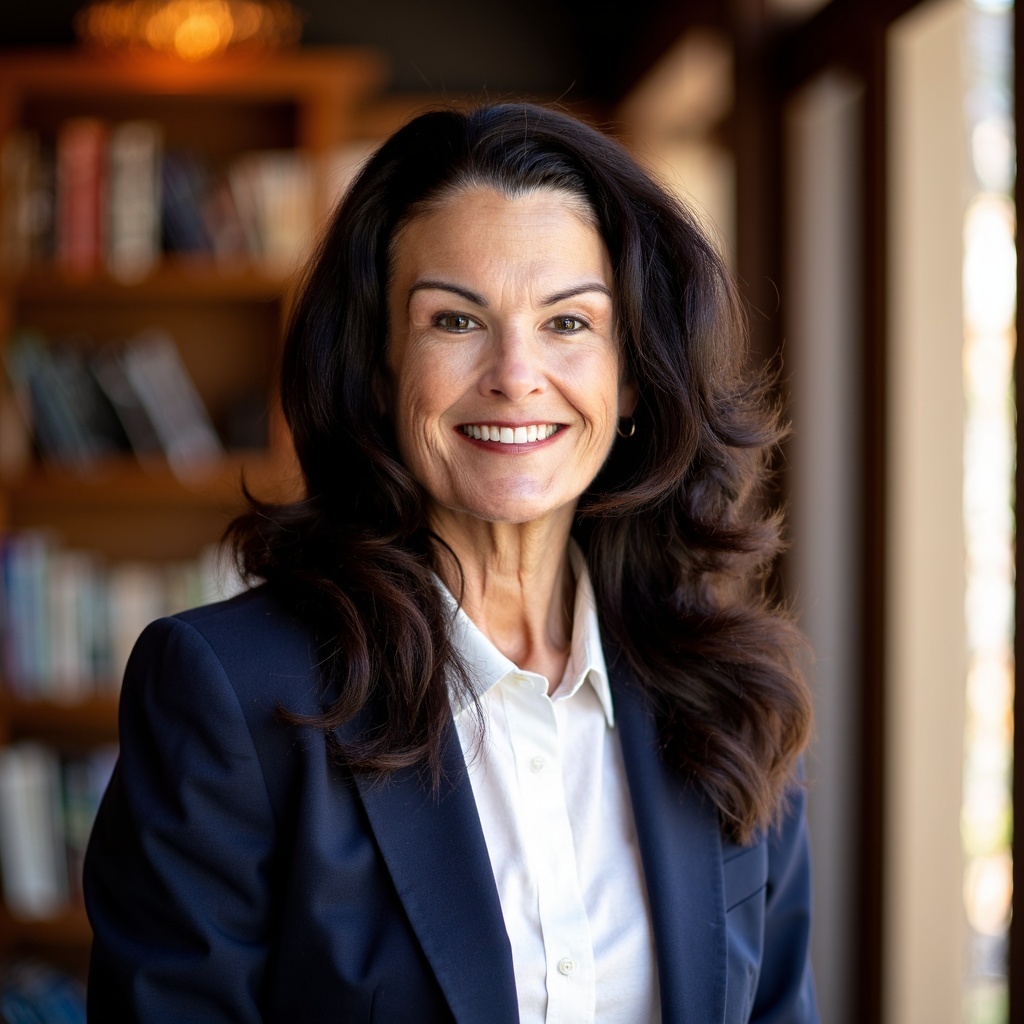
For more than 17 years, Maria Shulman and her family have called Clayton home. She is a healthcare leader, Planning Commissioner, former Vice Chair, and Chair, volunteer, and longtime community advocate whose professional experience and commitment to public service have prepared her to help lead Clayton through its next chapter.
Education and Professional Experience
Maria’s educational path reflects a lifelong commitment to learning and service. While working, she earned degrees and professional credentials across multiple disciplines. She began at Temple University, earning a Bachelor’s degree in Criminal Justice with a minor in Mental Health. She then completed her nursing diploma through the Germantown Hospital and Medical Center School of Nursing, a hands-on pathway that prepared working nurses for clinical practice. She later earned a Bachelor of Science in Nursing and Public Health from the University of Texas at Arlington, followed by a Master’s degree in Healthcare Administration.
Criminal justice, mental health, public health, nursing, and administration are not abstract subjects to Maria. They are disciplines she has applied throughout her career in real-world situations where sound judgment, accountability, and compassion matter.
As a nurse and healthcare leader, Maria has served in management, supervisory, pediatric special-needs, hospice, and care-management roles. Her work earned recognition for patient advocacy and leadership, experiences that taught her how to listen carefully, ask difficult questions, and make thoughtful decisions when the stakes are high.
She also brings extensive experience managing budgets, ensuring regulatory compliance, and accepting responsibility for the outcomes of her decisions. Those skills are essential in local government, where elected officials must balance community priorities, fiscal realities, and public accountability.
Planning and Responsible Growth
Maria currently serves the Clayton Planning Commission, after serving as Vice Chair and Chair. In those leadership roles, she has helped guide projects and policies aimed at preserving Clayton’s small-town character while planning responsibly for the future.
Her approach to public service is grounded in three core principles:
- Decisions should be based on data, professional expertise, and applicable laws rather than personal preference.
- Public processes should be transparent, ensuring residents and applicants are heard before decisions are made.
- Long-term impacts on infrastructure, housing, safety, affordability, and community identity must be considered before approving change.
Maria views public office as a public trust and believes elected leaders have a responsibility to be transparent, accountable, and prepared.
Wildfire Preparedness and Public Safety
Living at the edge of open space, Clayton faces unique wildfire challenges. Maria has consistently advocated for responsible planning that recognizes those realities.
She has highlighted the need for a comprehensive evacuation strategy and has emphasized the planning issues that directly affect public safety, including road capacity, secondary access routes, development density in high-fire-risk areas, and conditions at the wild land-urban interface. She has also completed Institute for Local Government coursework related to CEQA and wildfire risk reduction.
Her focus remains on ensuring that growth decisions are made with public safety, emergency access, and long-term resilience in mind.
Community Service
Maria’s commitment to Clayton extends far beyond formal leadership roles. She serves on the Clayton Community Library Foundation Board and volunteers at many of the events that bring the community together. Her service includes Clayton Cleans Up, the Art & Wine Festival, the Fourth of July Parade, Oktoberfest, Holidays in the Grove, and helping decorate the Clayton Police Department’s 4×4 vehicle during community celebrations.
She has also volunteered with the Red Cross, Clayton Day of Service, local schools, and other community initiatives over the years.
Many of these efforts carry no title and no vote. They simply reflect a belief that strong communities are built when neighbors show up, work together, and invest in the place they call home.